30 Food Journal Prompts for Healthy Eating and Weight Loss


Track your eating habits with these food journal prompts. A food journal is a great way to stay mindful of what you’re consuming and identify triggers that might be causing weight gain or loss.
Keeping a food journal can help you to understand how your food choices impact your health and weight.
By writing down what you eat and when, you can track your progress and make more informed decisions about your diet.
Food journals are also a valuable tool for learning about your own eating habits.
[convertkit_form form=”3546518″]
What is a Food Journal
A food journal is a helpful tool in which you can record the foods you eat, the time you eat them, and information regarding your eating habits.
It can be used to help you with health and weight loss goals and to monitor your diet.
Food journaling can help you with health and weight loss by providing a clear picture of your daily eating habits. You can maintain a healthy lifestyle by tracking your calorie, and nutrient intake.
A food journal is not just about what you consume but when you consume it as well. By tracking the time of day that you eat certain foods, it becomes easier to notice patterns in your eating habits that may need to be changed.
It can be hard to start a food journal, but if you give it a go you will see that there are many benefits:
– You can keep track of what you eat
– You will learn to be more mindful about the foods you are eating
– You will be able to recognise the foods that you should be eating and the foods you should eat in moderation.
– A food journal will help you to identify unhealthy eating habits as well as any intolerances you may have.
– You will become more aware of the foods you are buying and stocking in your kitchen, leading to you being able to make healthier choices.
This post may contain affiliate links. If you click on a link and make a purchase I may receive a small commission at no extra cost to you
A dietitian or nutritionist may recommend keeping a food journal for a variety of reasons. For example, to help with weight loss by recording calorie intake or to monitor physical symptoms like headaches or migraines.
Food journals are important because they provide insight into your dietary habits and behaviours which helps in making changes for the better.

How to Start a Food Journal
The first step in starting a food journal is to make sure that you have the right tools. You need to keep track of what you eat, when you eat it, and how much you are eating.
Some people use an app or an online program to do this, you can also just write down everything in your regular notebook if that works best for you.
The next step is to figure out your goal with the food journal. Do you want to lose weight? Do you want to eat healthier? Do you want to track what’s going on with your body?
For example, if you want to lose weight you could track your calorie intake and the food journal can help with portion control. If you want to eat healthier, track what foods are good for you so that you can avoid the bad ones.
30 Food Journal Prompts for Healthy Eating and Weight Loss
Food Journal Prompts
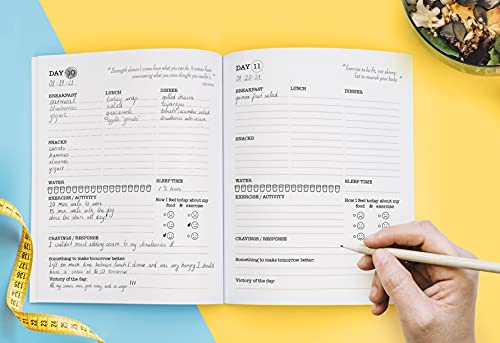
A food journal can be used to track your diet, weight, and health.
The following are some food journal prompts that can be used to help you start your food journal:
- What did you eat today? How much did you eat?
- How did you feel before, during, and after eating?
- What thoughts were going through your head when you were hungry?
- Did anything trigger your hunger?
- How has your mood been since you ate?
- How many calories did you consume today?
- How many servings of fruits or vegetables did you have today?
- How many servings of protein and carbs did you have today?
- Did you exercise today? If so, how much time did you spend exercising?
- What would you like to change about your eating habits? How can you do this?
Journal Prompts for Goal Setting: Inspiring and Motivating You to Reach Your Goals
- Do you eat for any other reason than hunger? Do you eat between meals often? Why do you think you do this? Do you have any comfort foods?
- Has the way you think about food changed recently? Why do you think that is?
- When you eat something unhealthy or break a diet what do you tell yourself to make it ok and take away the guilt?
- Have you created any rules, rituals, or routines around food that may not be healthy? What are they and how can you break your unhealthy habits?
- How was your relationship with food as a child? Were you given healthy foods to eat when you were growing up? Has your childhood affected your relationship with food now?
- How often do you think about food? Do you find that it dominates your thoughts during the day? Why do you think this is?
- How do you find shopping for food? Do you find it difficult? Do you take a list with you? Do you find that you are tempted by things that aren’t on the list?
- What are your goals for eating and staying healthy? How will your life be different when you have reached those goals?
- What obstacles may stop you from reaching those goals? What can you do about them?
- Do you eat some foods because they bring you comfort? Why do they make you feel like this. What would happen if you stopped eating these foods?

- What did you like about the food you ate today? Did you try any new foods?
- What didn’t you like about the food? Is there anything you wouldn’t eat again?
- How did the food make you feel physically?
- How did the food make you feel emotionally? Do you have any negative emotions attached to eating? Why do you think this is?
- Was there anything that made it difficult to eat today? Do you give yourself enough time to eat? Do you have people to eat your meals with?
- What was the first thing you ate today? What time did you eat it?
- What was the last thing you ate today? What time did you eat it? Do you think you ate too late?
- How did you feel after eating this meal/snack?
- Did you feel full after eating it or were you still hungry?
- Did you pay attention to the food you were eating? Describe the flavours and textures.
In conclusion, keeping a food journal is a great way to track your eating habits and make changes where necessary.
By writing down what you eat, you can easily see where you need to make improvements.
Whether you’re trying to lose weight or improve your health keeping a food journal is a useful tool. So why not give our food journal prompts a try? You may be surprised at how helpful they can be.


